The 2025 ranking of sorting errors in packaging waste streams
Waste sorting remains a key step in optimizing recycling and limiting environmental impact. Thanks to the combination of automated analyses using artificial intelligence technologies and traditional manual characterizations, it is now possible to identify in detail the main sorting errors detected in France in 2025 (indicators recorded on November 15, 2025).
Sorting errors: a measurable economic and environmental impact
In 2025, sorting errors continue to weigh heavily on household waste management in France. According to data collected by Lixo sensors, 55% of collection bins are contaminated, disrupting sorting chains and significantly reducing recycling performance. These errors are not limited to technical issues: they also represent a colossal cost for local authorities. In fact, the annual cost of sorting errors for household waste in France is estimated at €2 billion, including additional processing costs and missed recovery opportunities.
Thanks to a simulator developed by Lixo, it is now possible to accurately assess the financial impact of these sorting errors. This tool highlights the main areas of expenditure related to contaminants, allowing you to identify priority areas for action to reduce these costs.
Top sorting errors identified in packaging
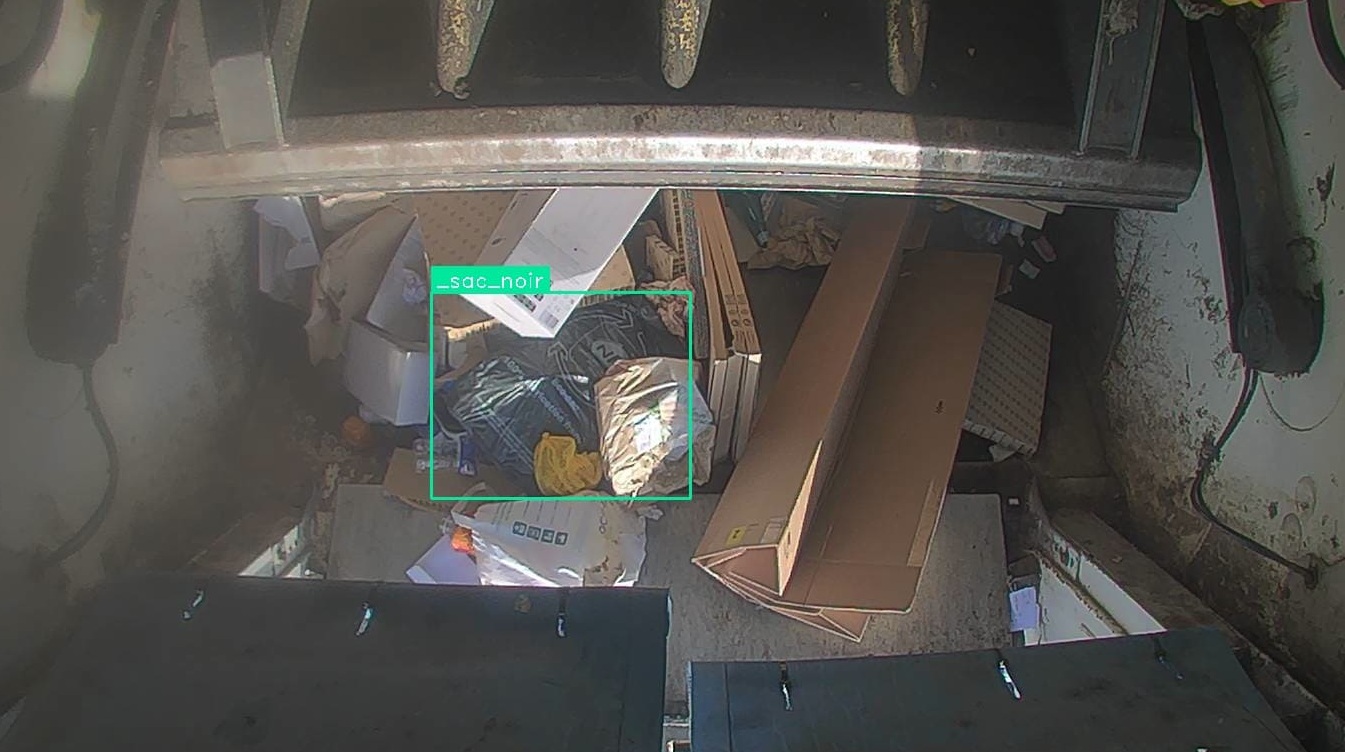
1. Black bags: 7,087,100
Opaque plastic bags, regardless of color, are a major source of contamination, preventing the recovery of recyclable waste.
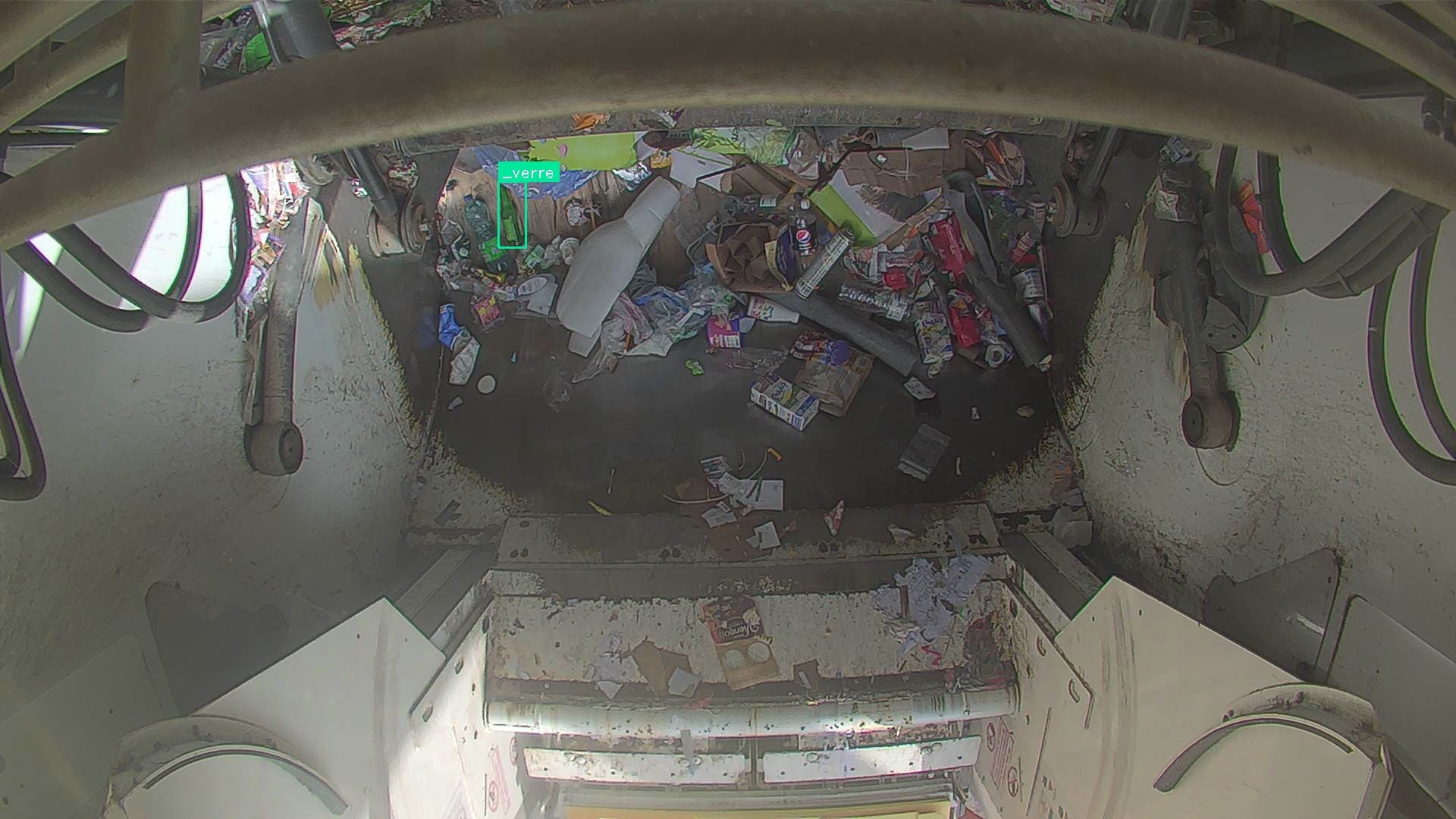
2. Glass: 1,232,400
Although specific collection systems for glass (such as voluntary drop-off points or door-to-door collection) are widely available, glass is still frequently found in packaging waste streams, disrupting the sorting process.
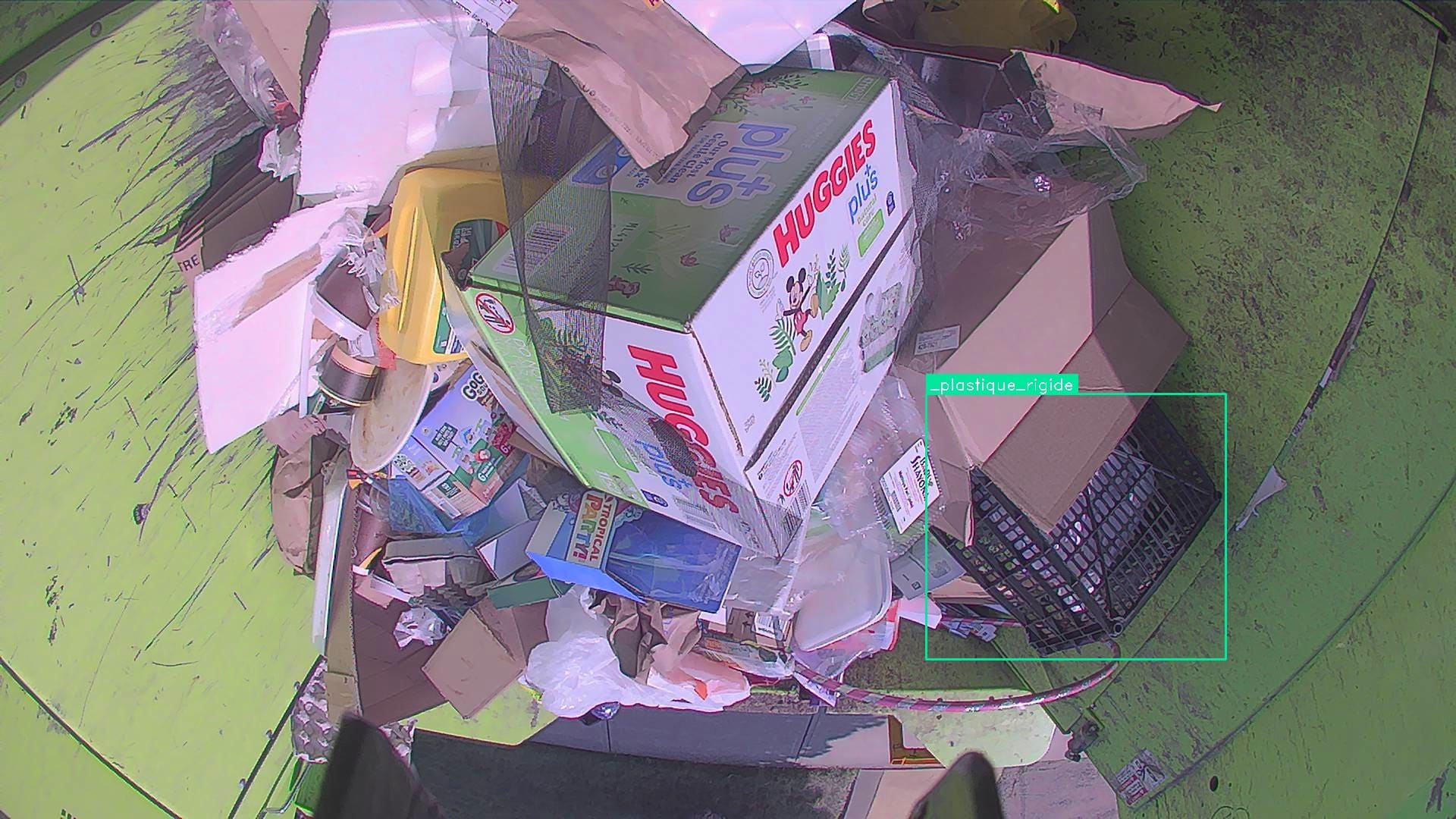
3. Rigid plastic: 531,400
Rigid plastic items, such as containers, are often mistakenly placed in packaging bins. These items are not suitable for this waste stream and must be redirected to waste disposal centers or reuse channels.
4. Other anomalies: 441,517
A generic waste category that may include ceramic containers, bathroom fixtures, indoor furniture, decorative items such as paintings, sculptures, and even artificial turf.
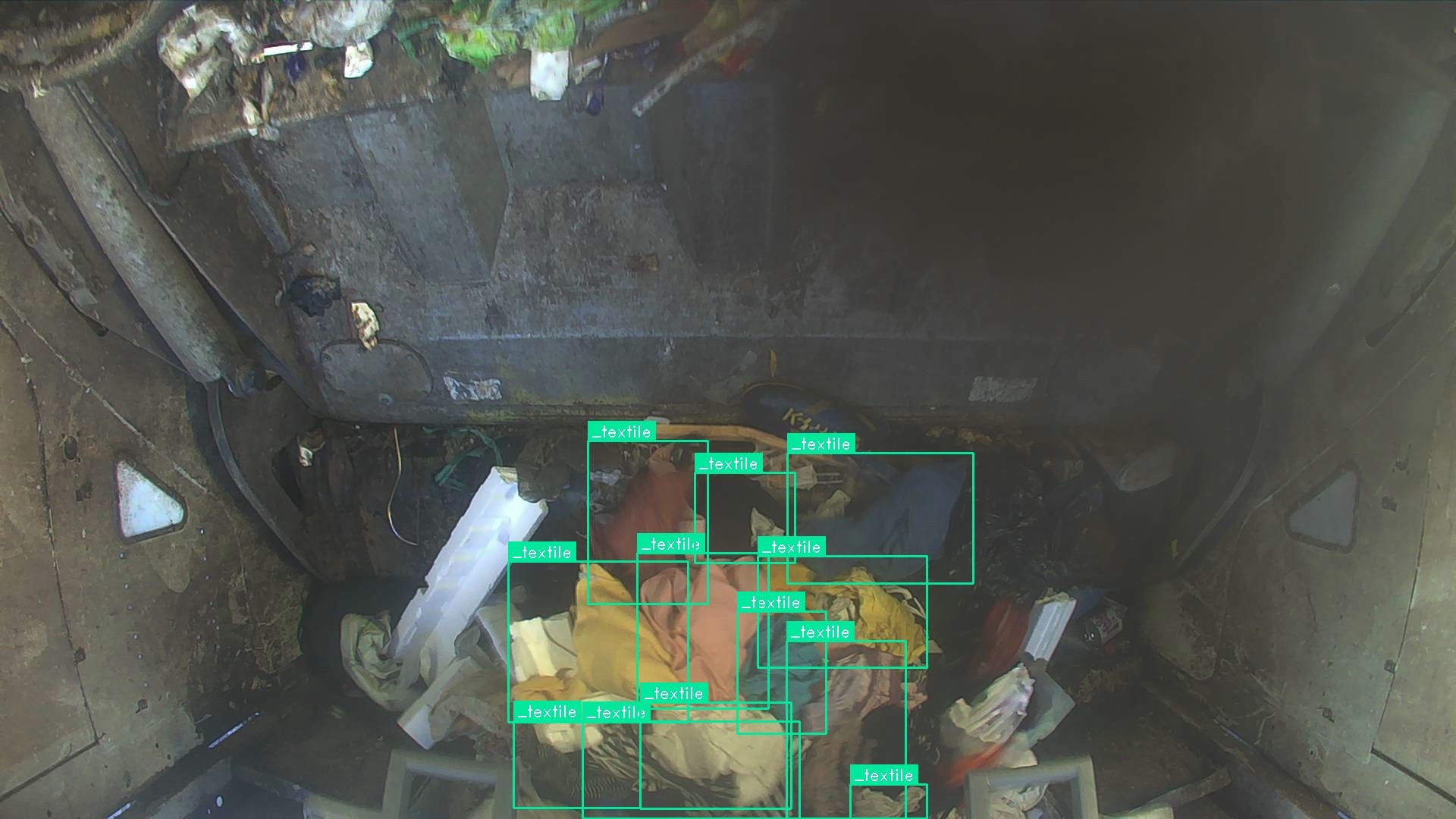
5. Textiles: 211,989
Textiles are often mistakenly thrown into packaging bins. These items require specific collection and recovery channels, separate from recyclable packaging streams.
The mismatch between national guidelines and local realities hinders selective collection. Quantitative analysis confirms that practical examples and visual aids are crucial in reducing the most common errors.
The data presented in this ranking comes from Lixo sensors deployed on more than 500 collection trucks throughout France. Although they provide a representative overview of the most common sorting errors, they do not cover all of the anomalies present in the packaging stream, leaving room for further analysis.
Hazardous waste: a growing problem in 2025
In addition to traditional sorting errors, 2025 highlights a worrying increase in certain hazardous waste found in packaging streams. These contaminants, although less frequent in volume, pose significant risks to collection and processing team members.
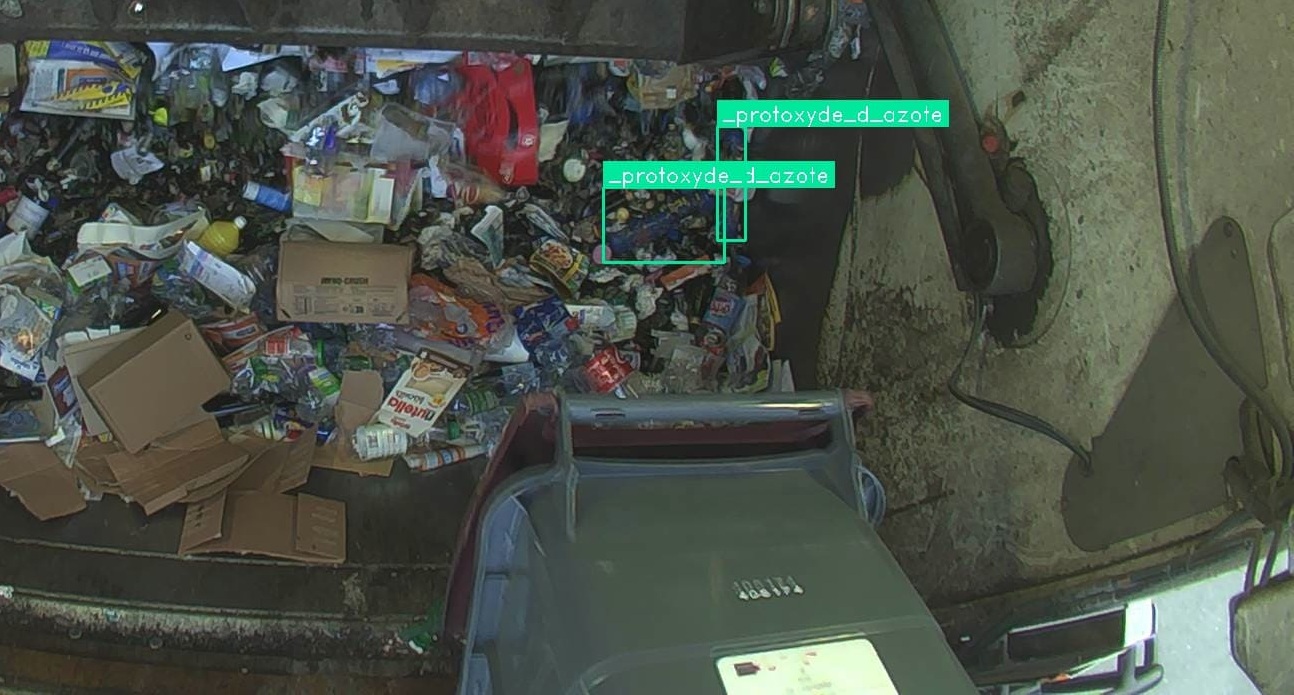
Number of nitrous oxide cylinders detected in 2025
- 8,759 bottles detected
- These bottles were found in 7,905 bin collections, highlighting a growing phenomenon that increases the risks for collection and treatment workers. Targeted information campaigns are needed to raise awareness among users about how to manage them.
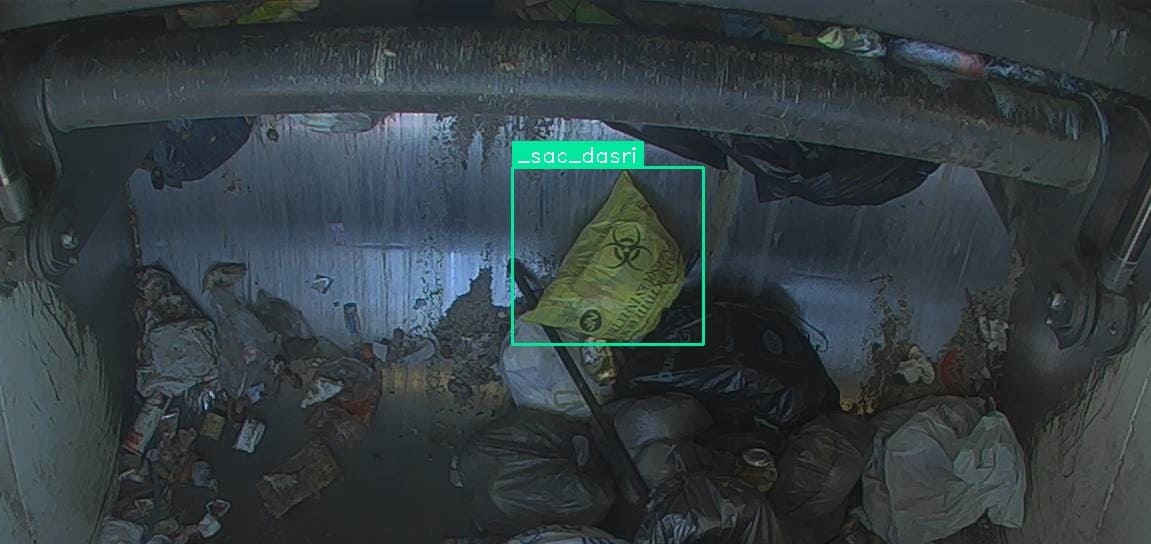
Number of infectious medical waste bags detected in 2025
- 58,656 bags of infectious medical waste detected
- This infectious waste was identified in 43,198 bin collections. Its presence in unsuitable waste streams poses a real danger to workers and requires joint action by local authorities and the medical sector to improve sorting.
Safer waste management
These findings highlight the importance of a comprehensive approach to addressing sorting errors, including not only household waste but also hazardous waste. By 2025, it will be imperative to strengthen awareness campaigns and improve collection infrastructure to meet these new challenges.
Towards more efficient and sustainable sorting
The 2025 data highlights significant progress in understanding and automatically characterizing sorting errors, but it also reveals persistent challenges. Plastic bags, whether opaque or transparent, remain the main contaminants, highlighting ongoing confusion about sorting instructions.
Communities that adopt this type of technology enjoy a significant advantage. On the one hand, they obtain accurate data on sorting errors, enabling them to adjust their awareness campaigns and local guidelines. On the other hand, they optimize their sorting performance by reducing contamination at source, which translates into savings on management costs and better waste recovery.
The average contamination rate and contamination score show that there is still significant room for improvement. These figures call for concerted action between local authorities, industry, and citizens to reduce sorting errors and maximize waste recovery. Awareness campaigns must be stepped up, drawing on local data to target issues specific to each area.
Furthermore, the increase in hazardous waste, such as nitrous oxide cylinders and infectious medical waste bags, highlights the growing risks for collection and treatment workers. These emerging phenomena require rapid responses, particularly through information campaigns and the establishment of dedicated channels.
In 2025, waste sorting remains a collective challenge. While the data shows progress, it also reminds us that the transition to more efficient and environmentally friendly waste management depends on the mobilization of all stakeholders. The goal is clear: reduce errors, increase recycling, and build a data-driven waste management model.
.jpg)