A collection truck on fire, an incinerator exploding... articles on these topics have become sadly commonplace. These incidents, often spectacular and dangerous, are not the result of chance. Since the beginning of summer 2025, Strasbourg, Caen, Saint-Martin de Mieux, and Faudoas are just a few examples of communities affected by the presence of hazardous waste. Understanding the cause of these fires and explosions is the first step in implementing effective solutions and ensuring the safety of collection operators while limiting management costs.
Sorting errors: a direct threat to collection
Fires in household waste bins (trucks) are a major operational risk for waste collectors, whether public or private. They paralyze collection routes, damage expensive equipment and, above all, endanger the lives of collection workers and the public. The main cause of these incidents is the presence of prohibited waste in the collection stream, particularly in residual household waste bins (RWB) or selective sorting bins.
Lithium batteries, fireworks, and gas cylinders are the cause of these fires. Mixing these products with other waste creates conditions conducive to chemical reactions or spontaneous combustion. Compression by the compactor only increases this risk by causing sparks or rupturing pressurized containers.
Lithium batteries: the number one source of fires
Lithium-ion batteries are ubiquitous in our daily lives: smartphones, laptops, electronic cigarettes, electric bicycles and more. When improperly disposed of in household waste garbage cans, they represent an explosive hazard. Once in the truck's skip, the pressure exerted can puncture or crush them.
This mechanical shock causes an internal short-circuit, resulting in thermal runaway. The battery then heats up uncontrollably, until it catches fire or explodes. This initial reaction can quickly ignite surrounding waste, such as paper and plastic, turning the skip into a veritable inferno in a matter of minutes.
Nitrous oxide cylinders and pressurized containers
Another major source of danger is nitrous oxide cylinders, either in large cartridge format or in do-it-yourself gas cylinders (butane, propane). Even when supposedly empty, they still contain a residue of pressurized gas.
Their presence in a garbage truck can cause explosions when compacted, which can injure collection crew members. However, a simple spark generated by metal friction in the dumpster could instantly ignite the gas, causing an explosion and a fire. Nitrous oxide cylinders, on the other hand, are less likely to explode in a hopper. There are no precedents for this, as the containers are much stronger than small gas cylinders. However, their growing popularity on public roads could lead to new risks for collection professionals.
Additional victims: treatment centers
Whether at waste-to-energy plants (UVEs) or sorting centers, fire outbreaks do not spare these essential links in the waste management chain. In 2024 alone, several dozen incidents were recorded throughout France, directly affecting the safety of personnel and the continuity of operations.
According to data from the Bureau d'analyse des risques et des pollutions industriels (Barpi), fires account for 83% of the 578 accidents recorded at this type of facility between 2014 and 2021. These incidents have also risen "sharply since 2010", with an increase "more marked than that observed in other types of facility".
The issue of dangerous objects, such as gas cylinders or nitrous oxide cylinders, is becoming increasingly worrying: in Haute-Savoie, more than 4,000 cylinders were collected from the streets in 2025. For example, a single cylinder can cause a significant explosion when it passes through the UVE furnaces. This has major material consequences, including plant shutdowns, heavy repair costs for local authorities, and lost revenue from energy not produced. According to FNADE/SVDU, each shutdown costs between €20,000 and €200,000 , totaling an average annual cost of €500,000 per waste-to-energy plant affected.
These incidents not only compromise waste recovery, but also threaten the sustainability of treatment infrastructures.
How technology can prevent fires
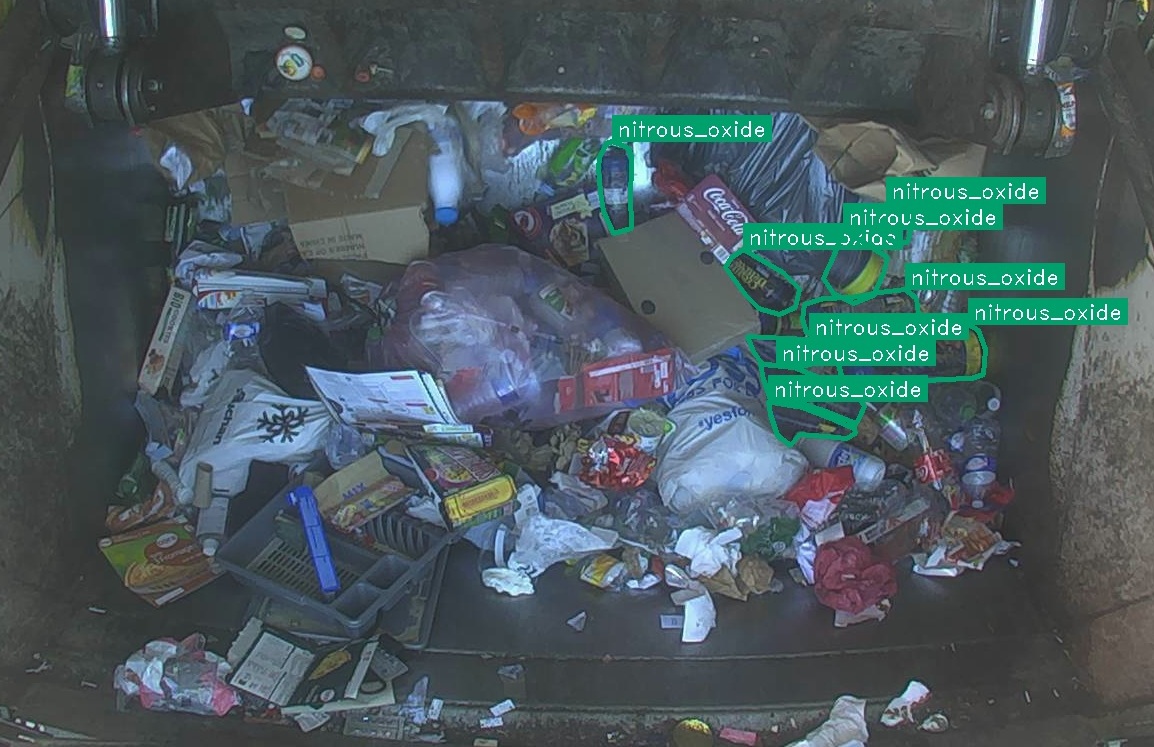
Faced with the increasing number of fires involving refuse trucks, prevention through awareness-raising is reaching its limits. It is becoming strategic to adopt innovative solutions to identify and understand the origin of sorting errors. Real-time data analysis offers local authorities and collection operators precise levers for action to make their operations safer.
By equipping collection trucks with image analysis systems, it is possible to automatically characterize hazardous waste in just a few minutes. Thanks to this system, teams are alerted during their rounds and are able to take corrective measures to limit the outbreak of fires.
This technology enables :
- Identify high-risk areas: By precisely mapping the addresses where dangerous sorting errors are most frequent, local authorities can target their communication campaigns.
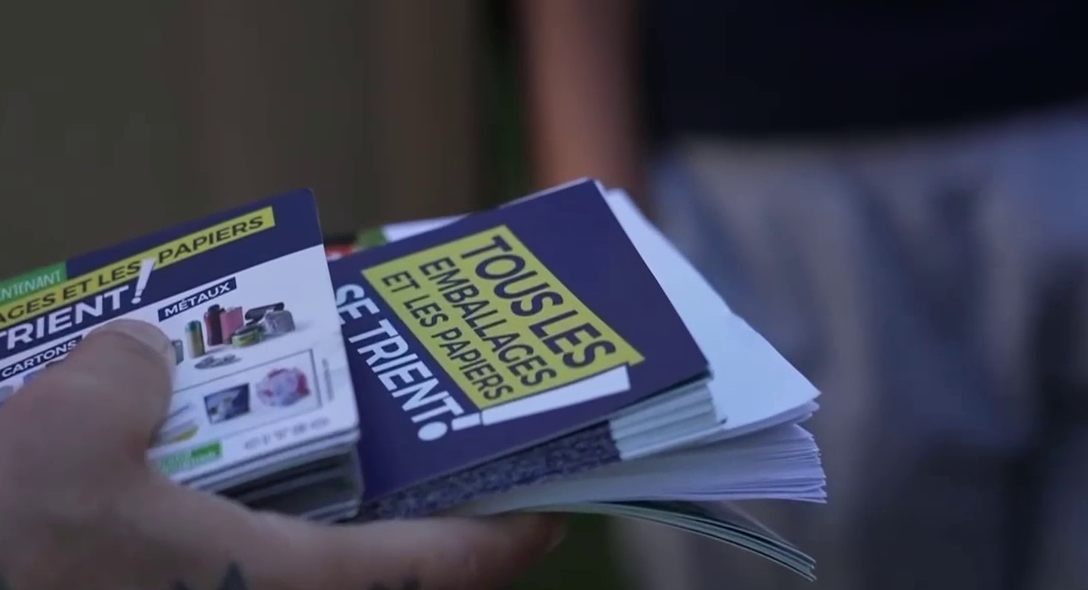
- Deploy targeted awareness campaigns: Sorting ambassadors can intervene more effectively, focusing on sectors, streets or even buildings identified as problematic.
- Measuring the impact of campaigns: By tracking changes in sorting quality in targeted areas, it is possible to assess the effectiveness of actions taken and adjust them if necessary.
- Optimize safety: knowledge of black spots enables collection protocols to be adapted to minimize risks, for example by informing teams of areas where greater vigilance is required.
This data-driven approach transforms waste management from a reactive to a proactive strategy. It doesn't just deal with the consequences of sorting errors, but directly addresses their causes.
Safety is the business of all innovations
Garbage truck fires are not inevitable, but a symptom of a waste management system that needs to be rethought. While the individual responsibility of citizens is essential, those involved in waste collection must equip themselves with tools that are equal to the safety and environmental challenges. Responsible sorting requires not only individual action, but also intelligent, optimized management of waste flows.
Data analysis technologies provide a concrete solution for reducing the risk of fire. By providing a clear and detailed view of the quality of sorting in a given area, they enable us to build effective prevention strategies, protect collection operatives and preserve equipment.
.jpg)